Scottish Housing Regulator (SHR) Response to the consultation on indicators for monitoring the Scottish Social Housing Charter

On 14th January 2025, The Scottish Housing Regulator (SHR) published the outcome of its consultation on the indicators social landlords report on in their Annual Return on the Charter (ARC).

The ARC is the main way social landlords demonstrate how they are performing against the standards and outcomes of the Scottish Social Housing Charter.

The Regulator will introduce new tenant and resident safety indicators including on fire and electrical safety and three new indicators on damp and mould. It will also remove a small number of indicators and improve clarity on the definitions of a number of existing indicators.

The Regulator has made the changes following a period of extensive consultation with stakeholders including tenants, landlords, representative bodies, advisory groups and others with an interest in social housing.

Social landlords will start collecting data for the new indicators from 1 April 2025. The first ARC using the new indicators will be due by 31 May 2026.

We have extracted information relevant to the NEW tenant and resident safety indicators only. Please read the SHR publication in full to ensure you fully understand the requirements.
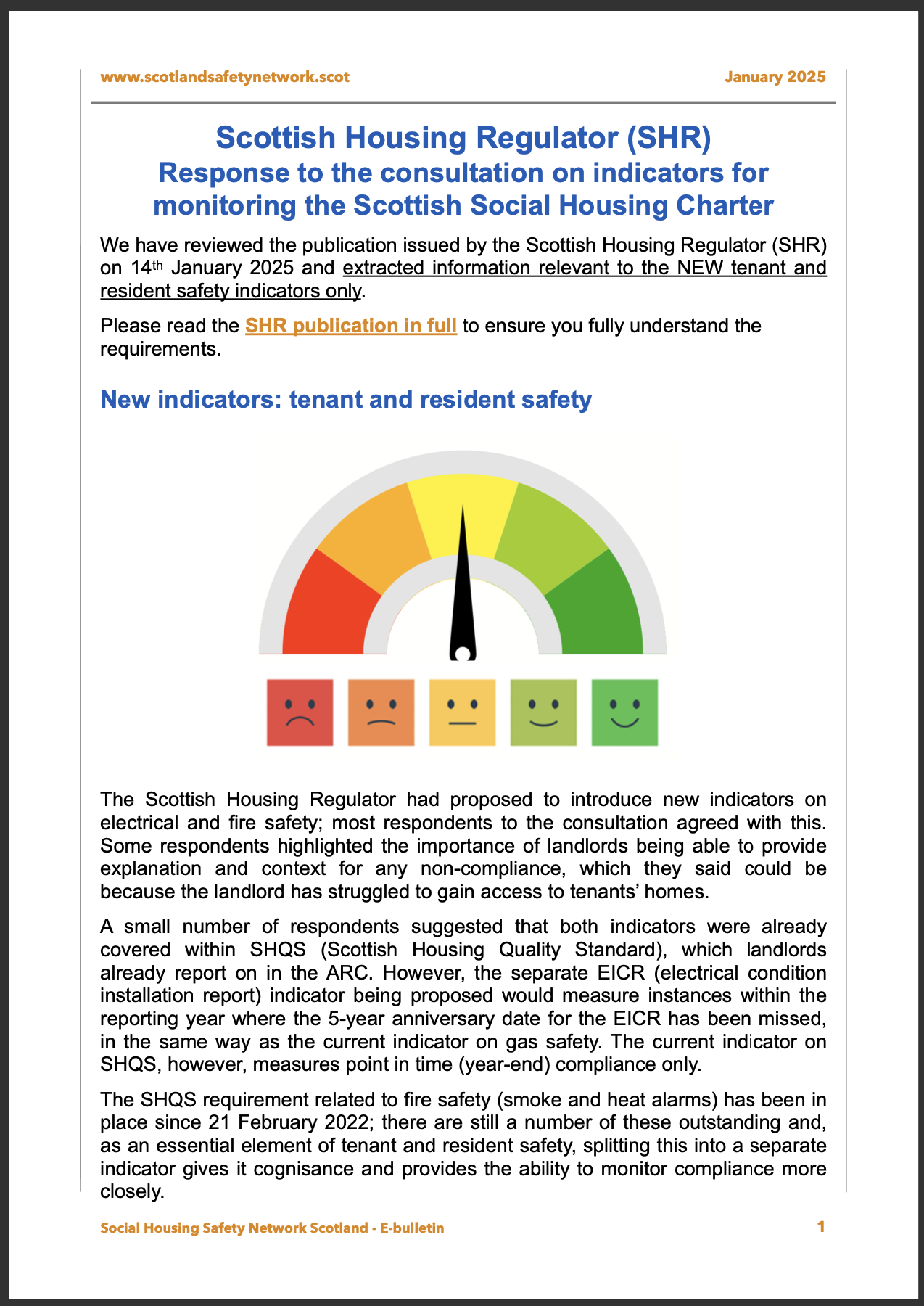

You can read the SHR publication here.

You can read our summary of the key information relevant to the new tenant and resident safety indicators here.

SHR Update – December 2024

Social landlords and tenants continue to operate and live in the most challenging context we've seen. Scottish Housing Regulator (SHR)'s recent report on Registered Social Landlords’ five year financial projections highlight a range of the challenges they face.

SHR keep a strong focus on their statutory objective to safeguard and promote the interests of tenants and service users. Last month, they published the risks they will focus on in their next annual risk assessment of social landlords.

This SHR update contains a useful round-up of some of the key news released by them over the past few months. You can view the update here.

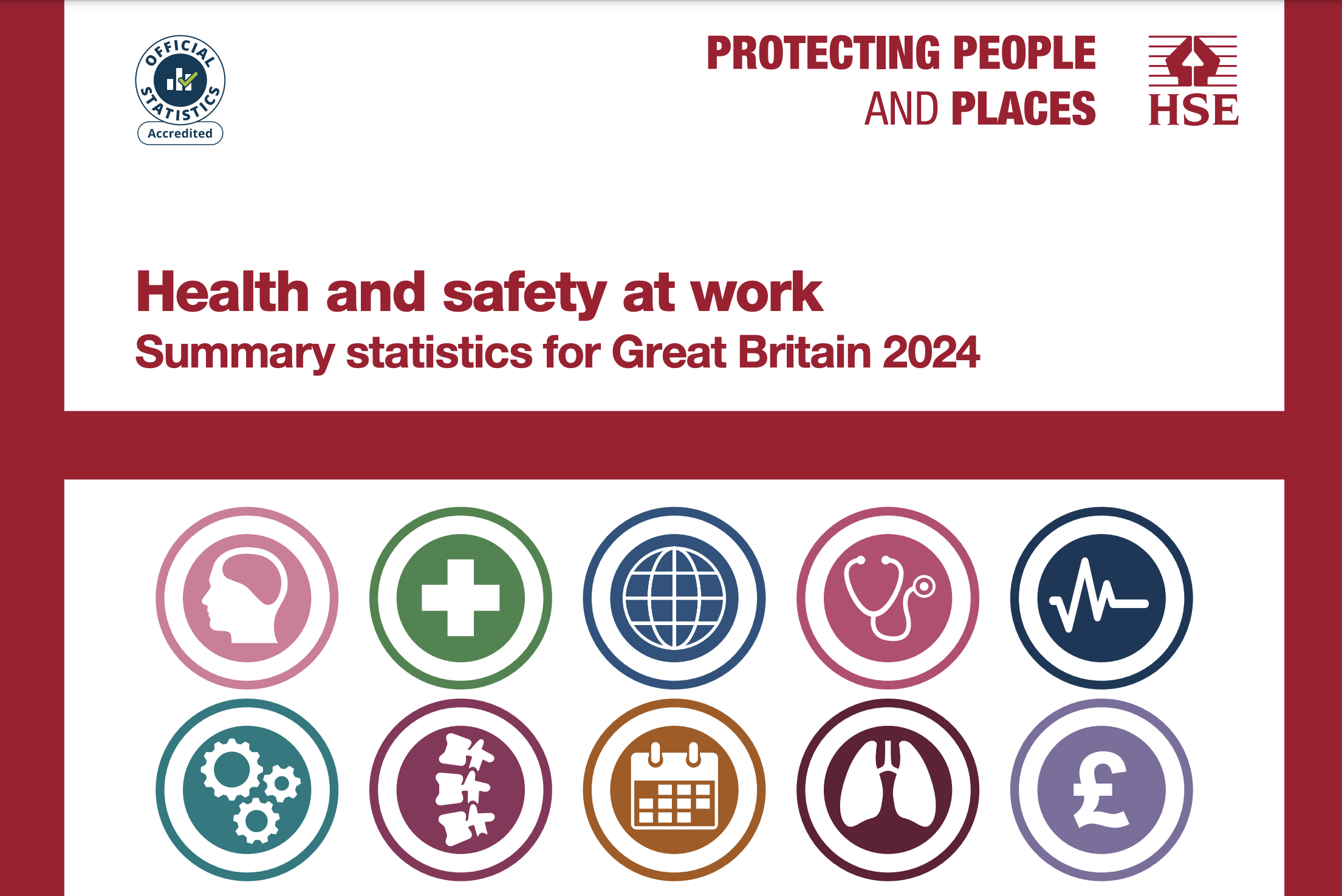
HSE health and safety statistics 2023/24

HSE have released health and safety at work statistics for Great Britain for 2023/24.

The key figures are:

  • 1.7 million working people suffering from a work-related illness, of which
    • 776,000 workers suffering work-related stress, depression or anxiety
    • 543,000 workers suffering from a work-related musculoskeletal disorder
    • 2,257 mesothelioma deaths due to past asbestos exposures (2022)
  • 138 workers killed in work-related accidents
  • 604,000 working people sustained an injury at work according to the Labour Force Survey
  • 61,663 injuries to employees reported under RIDDOR
  • 33.7 million working days lost due to work-related illness and workplace injury
  • £21.6 billion estimated cost of injuries and ill health from current working conditions (2022/23)

You can download the summary booklet here.

Our director & co-founder Vicki Cutler has been nominated for SHP’s Most Influential person of 2024!

We're delighted that our director and Network co-founder Vicki Cutler has been nominated for SHP's Most influential person in the safety profession of 2024.

The judges said “Vicki has made a significant impact across resident and tenant safety in the social housing sector, sustained over decades which has shown evidence of transforming.”

Nominated by a peer, her submission said: “Her drive is unmatched in any professional I have ever worked with, and she selflessly utilises her own time and resources to give back to the sector in a number of ways and through a number of different mediums.

“She is an unsung female hero H&S practitioner that gives so much of her time including mentoring countless budding H&S practitioners without seeking recognition or reward.

“Her ethics and moral compass dictate which clients she will work with and influence others who work with her (clients and associates) to establish solid moral standing for good Health and Safety practises.”

If you've worked with Vicki and benefited from her guidance then we'd be delighted if you could please take a moment to cast your vote here: https://www.shponline.co.uk/awards-2/vote-now-for-2024s-most-influential-person/

Fine for council after man ‘who loved life’ killed by falling tree

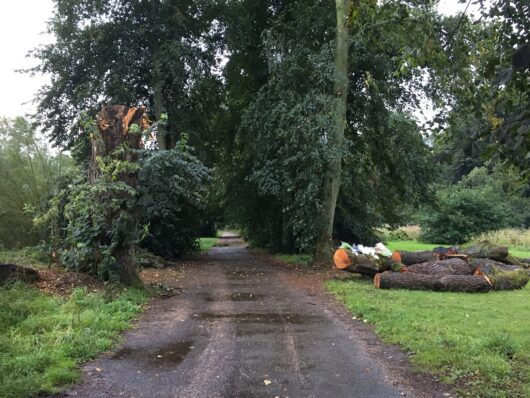
Cheshire East Council has been fined £500,000 after ‘the most amazing man’ was killed by a falling tree.

Christopher Hall, 48, from Wilmslow, was walking his dog in The Carrs – one of the town’s parks – on 28 August 2020, when the large limb of a tree fell and struck him. He received multiple injuries and sadly died at the scene.

Less than a year before, another large limb from the same tree had fallen off but the incident was never investigated by the council or its ground maintenance company Ansa Environmental Services Limited. As the District Judge sentenced both at Chester Magistrates Court on 8 November 2024 he said that the previous incident should have “acted as a wake-up call”.

You can read more on the HSE website here.

Residents put at risk of deadly disease as company fined £900k

A company has been fined following an outbreak of legionella at its sheltered housing accommodation in Birkenhead, putting vulnerable residents at risk of contracting Legionnaires’ disease.

The deadly bacteria was detected at Vincent Naughton Court following the sampling of its water systems in the communal areas and flats in July and August 2018.

With all 44 samples testing positive for legionella, the residents were then evacuated from the Sanctuary Housing premises in August 2018, before returning in October and November 2018 after the water system was remedied through the installation of a chlorination unit.

A Health and Safety Executive (HSE) investigation found Sanctuary Housing poorly managed the risk of legionella in the water system of Vincent Naughton Court, with staff inadequately trained and supervised. The residents were a particularly vulnerable group due to their age and underlying health issues, putting them at a higher risk of contracting Legionnaires’ disease.

Read the full story on the HSE website.

Network Get Together: District Heating & Biomass Energy Centre – Member Visit

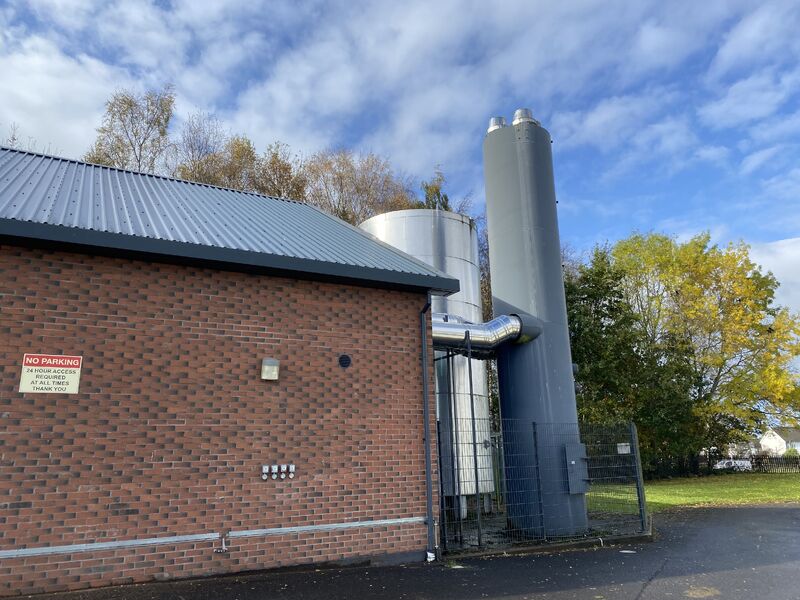
This week a small group of Network members got together to visit West Whitlawburn Housing Co-operative and hear more about the co-operative's biomass district heating system from Director, Grant Clayton.

The group heard from Grant about the district heating project, from the funding, through its development and how the system has benefited tenants and reduced their heating bills. We also heard about the specific compliance tasks and maintenance requirements of the biomass energy centre building and how it is managed 24/7, 365 days of the year to ensure that it continues to operate and supplies domestic heating and hot water to all flats in the multi-storey blocks as well as a number of properties in the surrounding lower rise blocks.

We’d like to take this opportunity to thank Grant for his time in delivering the talk and visit, and supporting colleagues from network member organisations, for what was a very informative ‘Get Together’. You can read more about the day here.

Sprinkler Protected Buildings : A Guide for Responsible Persons and Duty Holders

The British Automatic Fire Sprinkler Association (BAFSA) have recently launched a new guide to help responsible persons and duty holders of sprinkler protected buildings

The freely available publication, entitled Sprinkler Protected Buildings: A Guide for Responsible Persons and Duty Holders, summarises the main obligations imposed on the owner or occupier of a building or structure fitted with a sprinkler or water mist system. You can download the guide here.

Outlining the duties laid out in legislation, the guide also covers details around using third-party certified systems and installers, the proper maintenance of fire suppression systems, and the different requirements between residential/domestic systems and industrial/commercial systems. It also provides details on water mist systems, what a responsible person must do in the event that a fire suppression system becomes non-operational, and how to minimise water damage.

Automatic sprinkler systems are a vital component in providing fire safety for buildings and their users, and as the guide states: “are universally recognised as the most effective way to protect people and property from fire. Evidence to support this contention can be found in BIF 19 Sprinkler Reliability and in the universal support enjoyed by sprinklers from both the fire and rescue service and the insurance industry.”

Annual Return of the Scottish Housing Charter: A Consultation from the Scottish Housing Regulator

On 16th September 2024, the Scottish Housing Regulator issued a consultation document with the proposed specific indicators on tenant and resident safety and for the appropriate monitoring of the effectiveness of landlords’ approach to managing reports and instances of damp and mould. SHR also invited views on the continuing appropriateness of existing ARC indicators.

A summary of the changes that the Regulator is proposing to make to the ARC, along with a full list of the indicators and the changes being proposed, is available on their website; also provided is a version of the Technical Guidance with the SHR proposals shown in tracked changes.

View the summary on the SHR website here.

We have summarised the tenant and resident safety elements here:

SHR propose to continue to collect the following:

Indicator 11: How many times in the reporting year did you not meet your statutory obligations to complete a gas safety check within 12 months of a gas appliance being fitted or its last check?

SHR also proposes to collect the following NEW indicators;

Electrical Safety: How many times in the reporting year did you not meet the requirement to complete an electrical safety inspection (EICR) within five years of the last EICR?

This is proposed in order to measure any incidences where landlords do not meet the requirement set out in the Tolerable Standard to carry out an EICR within five years of the last EICR. Landlords will be asked to provide a reason/s for any such incidences.

Fire Safety: Number of homes that do not have ‘satisfactory equipment for detecting fire and giving warning in the event of fire or suspected fire’ installed at the year end.

This is proposed to measure how many homes do not meet the requirement set out in the Tolerable Standard to install satisfactory smoke and heat alarms. Landlords will be asked to provide a reason/s for any such incidences.

Damp & Mould

Issues of damp and mould continue to be an important area of concern for tenants. Most social homes in Scotland are of good quality, but where issues with damp and mould arise, it is important that they are dealt with effectively and quickly. Landlords will want to make sure they understand the prevalence of these issues across their stock and the reasons for this. The root cause of damp and mould can vary and in some cases can be complex. But regardless of the causes, mould spores can pose a danger to heath, especially for young children, older people or people with existing skin and respiratory conditions or weaker immune systems. So it is important that landlords have assurance that they are dealing with any reported cases of damp and mould quickly and effectively.

SHR propose three new indicators on damp and mould:

  • Average length of time taken to resolve cases of damp and/or mould;
  • Percentage of resolved cases of damp and/or mould that were reopened; and
  • Number of open cases of damp and/or mould at the year end.

This would mean landlords reporting on the following:

  • Number of cases of damp and/or mould that were resolved within the reporting year
  • Number of resolved cases of damp and/or mould that were reopened (within 12 months)
  • Total number of working days to resolve cases of damp and/or mould
  • Number of open cases of damp and/or mould as at 31 March each year.

SHR aim to confirm the revised ARC indicators by January 2025 with the new ARC being in place for collection year 2025/26.

The Scottish Housing Regulator would welcome general feedback on their proposals as well as answers to the specific questions that they have raised. You can read the consultation paper online or download the full consultation package including the annexes by clicking the link above.

Fire risk assessor competence standard opens for comments

As part of the development process for the new BSI standard, BS 8674 Built environment – framework for competence of individual fire risk assessors – Code of practice, the completed draft has now been opened to the public for further comment.

With a remit to give recommendations for competence criteria to be met by individuals undertaking general fire risk assessments in occupied buildings, BS 8674 is based upon the work done in the Fire Sector Federation’s approved code of practice for fire risk assessors, and on the recommendations and competence criteria set out in BS 8670-1.

Read more via the FPA website.

For details of the draft and to add comments, visit the BSI website.